

Wed 18 February 2026
Spain News | The History of the Moors in Spain- Fearsome Marauders or Sophisticated Influencers?


Who were the Moors?
Here at Jacaranda Spain, we love to promote the culture of Spain and particularly the Marina Alta. The essence of Spanish culture is rooted in its history, and the secret to what makes it so unique, lies in the wonderful mix of influences from other cultures throughout history.
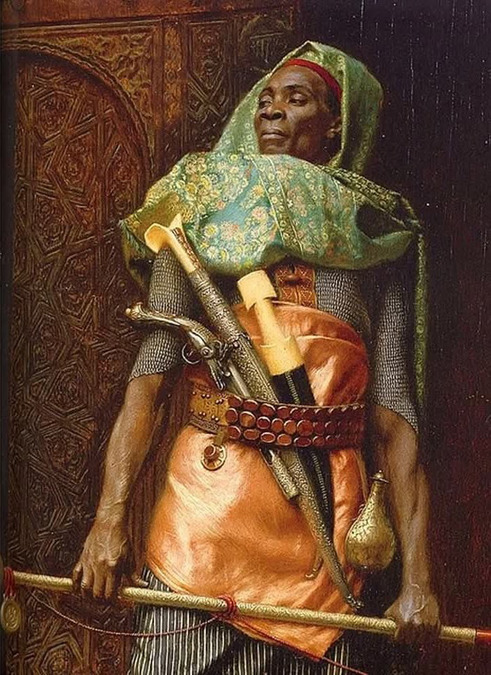
The history of Spain is incredibly rich and diverse. If you have studied any of it, you will have heard of the “Moors”, who dominate the early history books in Spain. They originate from North africa and they conquered and ruled parts of Spain for around 780 years, from 711AD- 1492AD.
The term “Moor” refers originally to the inhabitants of the Roman province of Mauretania, and later to the Muslim people of al-Andalus, which was Spain and Portugal. These people had Arab, Spanish and Amazigh (Berber) origins. The Moorish occupation of Spain began in 711 AD when an African army, under their leader Tariq ibn-Ziyad, crossed the Strait of Gibraltar from northern Africa and invaded the Iberian peninsula ‘Andalus’ (this was the name for Spain under the German Visigoths). The army triumphed against the Visigothic King Roderick at the Battle of Guadalete and within seven years they conquered most of the Iberian peninsula and established Muslim rule, ie al-Andalus. The history books tell of fearsome warriors and bloody battles;
“The reins of their horses were as fire, their faces black as pitch, their eyes shone like burning candles, their horses were swift as leopards and the riders fiercer than a wolf in a sheepfold at night . . . The noble Goths [the German rulers of Spain to whom Roderick belonged] were broken in an hour, quicker than tongue can tell. Oh luckless Spain!” Edward Scobie from The Golden Age of the Moor
That said, there is no doubt that the following years, under the Muslim occupation, brought extraordinary development for Spain.
African Moors were famed for exceptional architecture and engineering and they went on to build some incredible structures. Palaces, universities and mosques (the majority of which were turned into Catholic churches when Christian rule was re-established), most of which still stand today. The palace of Alhambra in Granada is the most famous example.

The Alhambra was the seat of the Muslim rulers during the 13th and 15th centuries, an opulent palace for royalty, whilst other European rulers lived in much more modest surroundings. It is a perfectly preserved UNESCO world heritage sight today.
Education was made universally accessible in Moorish Spain, available to all, while in Christian Europe ninety-nine percent of the population were illiterate. At that time, Europe had only two universities, the Moors had seventeen great universities! These were located in Almeria, Cordova, Granada, Juen, Malaga, Seville, and Toledo.
The Moors introduced Arabic numerals and paper to Europe and agricultural crops including; orange, lemon, peach, apricot, fig, sugar cane, dates, ginger and pomegranate as well as saffron, sugar cane, cotton, silk and rice which remain some of Spain’s main products to this day. Furthermore, under Moorish rule, significant discoveries were made to progress understanding of science, astronomy, philosophy, botany and medicine. Most of the beautiful Mediterranean flora in gardens in Spain today were introduced and cultivated from Africa. The Moors brought their Islamic water management techniques with them and these systems are still irrigating land in Spain today, centuries later.
Spanish culture also evolved extraordinarily during this time. The Moors introduced musical instruments like the guitar, the lyre and the lute. The practice of eating several courses at dinner became accepted, starting with soup and ending with dessert. The Moors were cultured and educated long before other societies, at a time when even Kings and Queens could not read or write. In fact, our great understanding of the history of this age is largely down to the meticulous recording of events by the scholars, historians and book writers at that time.
The “Reconquista” (reconquest) of the Christians took 800 years and was no easy task. It was 1492 before the Catholic King Ferdinand 2nd of Aragon and Queen Isabella 1st of Castile would invade and capture the last seat of the Muslim rulers, Granada. This signaled the end of the Moorish occupation and the remaining muslims were forced to convert to Christianity or face expulsion. This would take almost 200 years.
The festivals of the Moors and Christians- Moros y Cristianos.
The battles to re-establish Christian rule in Spain became legendary and today they are celebrated and re-enacted every year in the regions of Valencia, Murcia and Andalusia.
The main highlights included in the festivals are;
-The “Entradas"- the parades of costumes of the Moors and Christians traditional dress.

-The Alardo - the re-enactment of the battles, with gunpowder and arquebuses (guns from the time but firing blanks of course!).
-The Embajadas- , these were the meetings and confrontations of the warring parties.
-The Landing - the final defeat and landing of the ships on the beaches.
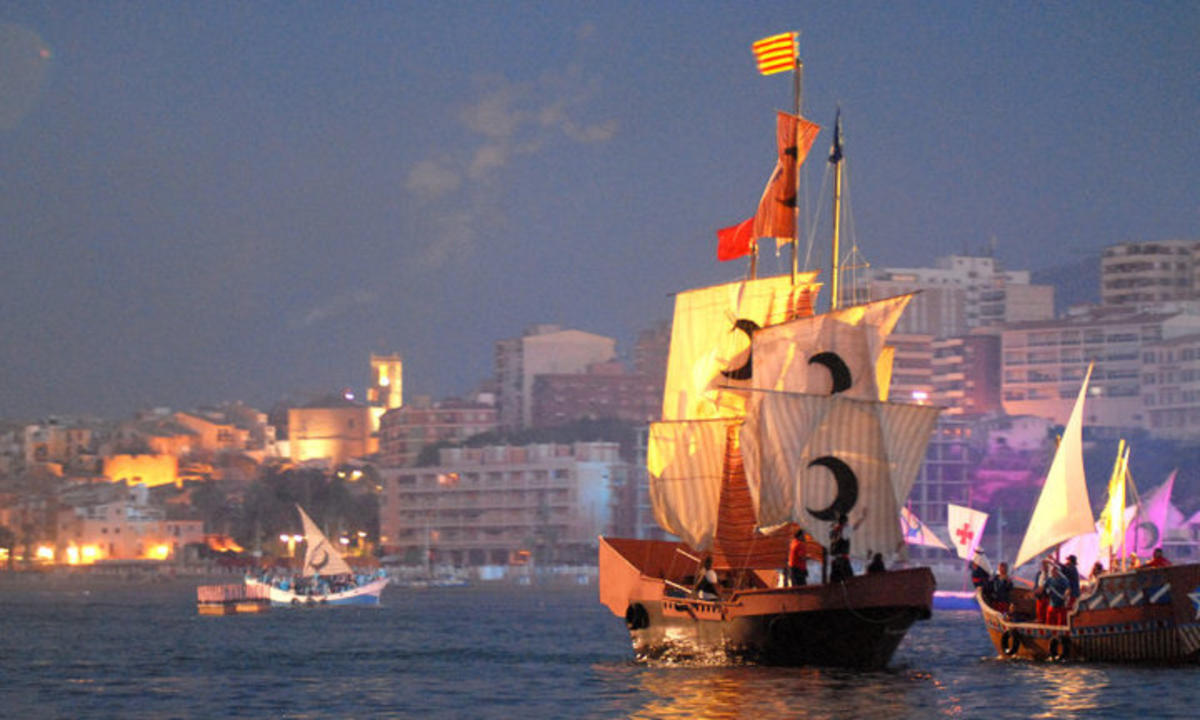
The festivals of the Moors and Christians are a very important event in the history of the Marina Alta and, here at Jacaranda Spain, we like to go to at least one of the festivals every year. The coastal ones at Villajoyosa, Javea, Moraira and Denia are fabulous, but if you dont want to travel too far, the town of Benissa has an incredible celebration at the end of June. Every member of the community has a role to play, there is no expense spared, and the costumes and processions are spectacular!