
Mon 25 August 2025
Spain News | New Regulations for the Certificate of Energy Efficiency- Answering your questions to stop you getting caught out!!


Energy Efficiency Certificates (CEE or EPC)- New regulations for 2030
Here at Jacaranda Spain, we are at your service, to give you the right advice on how to prepare to sell your property. If you are considering putting your property on the market at some point, it is important to have all your paperwork in order.
Nowadays, every residential property on the market must have a CEE, ie. a “Certificado de Eficiencia Energética”. The UK equivalent of this is the EPC, ie the Energy Performance Certificate. The certificate is normally attained by your lawyer, from an architect, during the process of the sale and it is valid for ten years.
As part of the EU directives to reduce carbon emissions and make society less wasteful and more ecological, the CEE certificate is mandatory. However, whilst it indicates to the prospective buyer how energy efficient the home is, it does not impose a minimum rating requirement. As our society becomes more mindful of the damage to the environment from energy inefficiency, it stands to reason that this is about to change. From 2030 every residential property sold will have to have a minimum rating of “E” on it´s Certificate of Energy Efficiency.
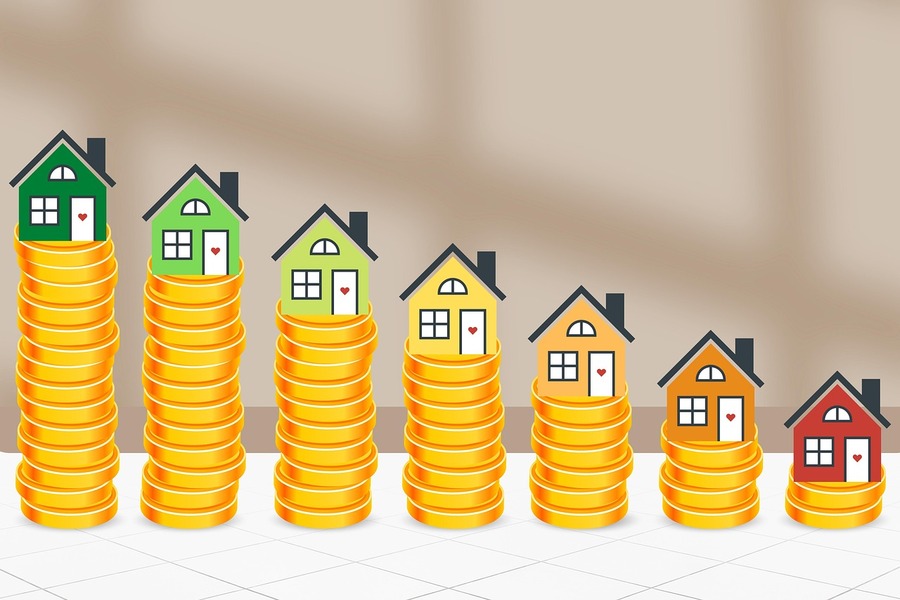
How does the rating table work?
Rating ranges from A- G with:
Rating “A” indicating; Excellent, low energy usage, high standard insulation, renewable energy sources (eg solar power, heat pump), efficient climate control and very low running costs.
Rating “G” indicating; Very poor, high energy usage, inadequate insulation, no renewable energy sources, outdated systems for climate control and high running costs.

The required “E” rating, target for 2023, indicates; Below average energy usage, below average insulation, older heating systems and noticeable energy loss.
So, you may think that your property can attain an “E” rating, but, to give you a clue as to how this is headed, the required rating will change to “D” by 2033 and so on. With the average age of residential property in Spain at 40 years old, the government has estimated that a massive, 85% of homes in Spain will have to be updated to comply with the requirements.
How does the change affect me?
If you have an older property, it may well fall short in terms of insulation etc. You may want to check and make sure that your property makes the grade for the “E” rating. In this case you will want to contact a professional to assess your home, to avoid nasty surprises cropping up. Much better to do the upgrades in advance of putting the property on the market.
What do I need to improve, if my property is older, in order to comply?;
- Insulation
- Windows and doors (double glazing and draught excludors)
- Heating and cooling systems
- Renewable energy (solar power, heat pumps)
Apart from complying with the law when it comes to selling my property, what are the advantages of updating my energy efficiency systems now?
- Enhances the value of the property
- Attracts buyers
- Reduces your utility bills
- Reduces your carbon footprint
What will it cost and how can I offset this expense?
Depending on the age and size of the property, the renovations can cost anything between 3,000 and 15,000 euros. This is a significant expense but, if you put a plan in place now, there are ways of offsetting this. The EU has devised the “Next Generation Scheme” to assist home owners and provide financial aid. Government grants are in place now and will be made even more accessible as the deadline approaches. These grants can cover up to 80% of the costs. A “Plan de Recuperación” is in place to allow tax deductions of 60%, and, “Green Mortgages” are becoming available with better interest rates.
What if I do not comply?
It will undoubtedly complicate your sale, or even put buyers off completely, and you risk incurring fines of between, 300 euros (advertising your property for sale without a certificate) and 6,000 euros (falsifying certificates).
Why can´t I just leave it until the last minute?
You can, but- Do you want to pay hugely inflated prices for upgrades in the rush to get your certificate before the deadline, along with countless others? You need to plan ahead- eg what if you need to sell up quickly? It makes more sense to begin upgrading slowly, spread the cost and give yourself peace of mind.
The advice we offer at Jacaranda Spain:
If your property is older and you have concerns that it might need upgrading before you want to sell it- Contact a certified technician to give you a professional consultation.

A+Energy are based in Calpe (click on the link) https://aplusenergy.info/ Ask them to evaluate your current energy rating and discuss a plan of action, if any is needed. At this stage you can get free quotes, apply for subsidies and investigate tax deductions.
Remember
There is NO mandatory rating requirement at the present time (August 2025), so no need to panic! However, putting your plan in place now and complying with the requirements may well have a huge impact on your sale in the future!